Sen. Kennedy Drops a Fact Bomb — Maxine Waters’ Reaction Says Everything-thuytram
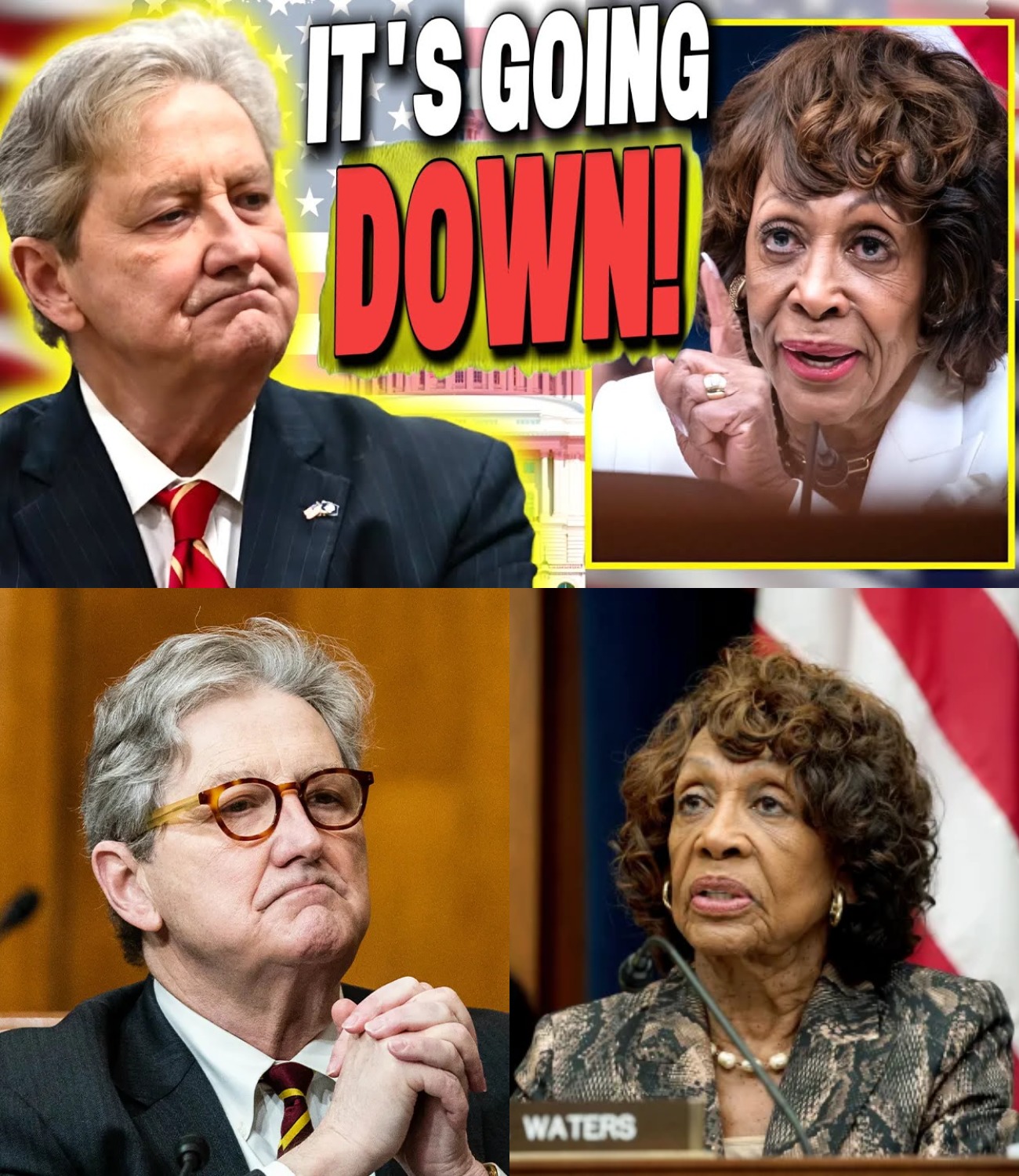
The exchange opened like countless others, measured voices, familiar arguments, and a sense that both sides knew their lines before speaking.
Questions moved back and forth, responses arrived on cue, and the audience settled into the expectation that the debate would follow a predictable arc.
Representative Maxine Waters spoke with confidence, outlining her position clearly and forcefully, leaning on emphasis and experience to carry momentum.
For several moments, the rhythm stayed intact.
Then Senator John Kennedy stepped in.

He did not raise his voice.
He did not interrupt mid sentence.
He waited until Waters finished, then offered a concise fact check, delivered plainly and without flourish.
It was brief.
It was specific.
And it reframed everything.
Kennedy cited a detail that shifted the foundation of the argument, not as an attack, but as clarification.
Dates were named.
Language was narrowed.
Context was restored.
The effect was immediate.
Waters paused, eyes lifting briefly as she processed what had just been said, then looking down again to reassess.
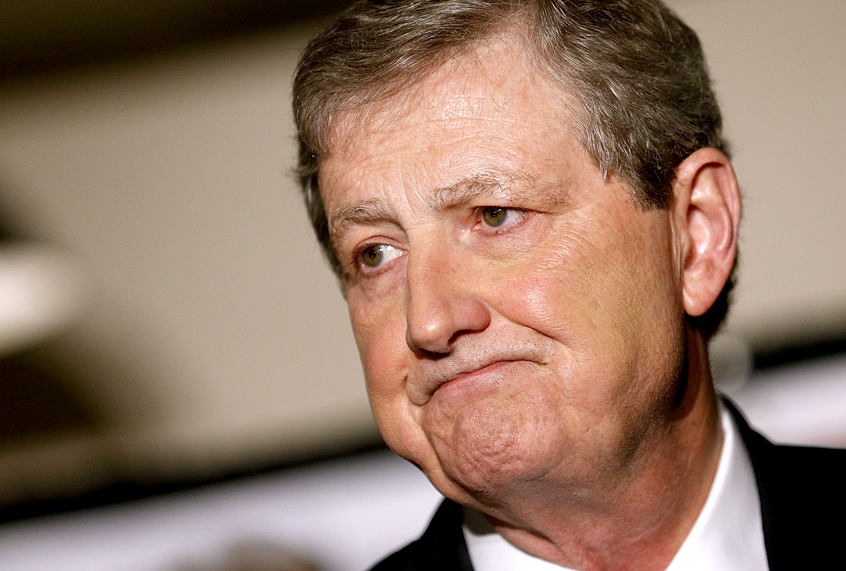
That beat mattered.
It wasn’t long, but it was visible, and the room felt it collectively.
The debate slowed.
The earlier cadence broke.
What had been a flowing exchange became a moment of evaluation.
Kennedy did not expand on the fact check.
He did not repeat it for emphasis.
He let it stand exactly where it landed.
That restraint amplified its impact.

Observers later noted that the power of the moment came not from confrontation, but from precision.
By narrowing the discussion to a verifiable point, Kennedy shifted the conversation from interpretation to alignment.
Waters responded carefully, choosing her words with new caution, acknowledging the clarification before attempting to redirect.
The confidence remained, but the momentum had changed.
The room had moved from debate to freeze.
Not silence, but stillness.
Listeners leaned in, aware that the frame had shifted and that every word now carried more weight.
Analysts watching live described the exchange as a lesson in how fact checks alter power dynamics.
When an argument relies on breadth, precision can feel disruptive.
When momentum drives discussion, clarity can stop it cold.
Social media clips spread quickly, focusing on the exact moment Waters paused before responding.
Viewers replayed that beat repeatedly, interpreting it as recalculation rather than concession.
Supporters of Kennedy praised the approach, calling it disciplined and effective, arguing that facts presented calmly often speak louder than rhetoric.
Critics countered that a single fact check does not resolve complex policy disagreements and warned against oversimplifying broader issues.
Both sides, however, acknowledged the shift.
The remainder of the exchange unfolded differently.
Responses were slower.
Questions were tighter.
The earlier ease did not return.
Kennedy did not revisit the point.
Waters did not challenge it directly again.

Both appeared to recognize that the clarification had set a boundary the discussion would not cross.
Commentators later noted how rare it is for a debate to pivot without escalation.
Most confrontations grow louder.
This one narrowed.
The fact check did not end disagreement.
It ended assumption.
That distinction is why the moment lingered.
In political discourse, facts often compete with framing.
Here, the fact changed the frame.
The audience noticed.
The room noticed.
And the beat between question and response became the signal that everything had shifted.