Crockett Goes on the Offensive — Kennedy Flips the Moment in 37 Seconds Flat-thuytram
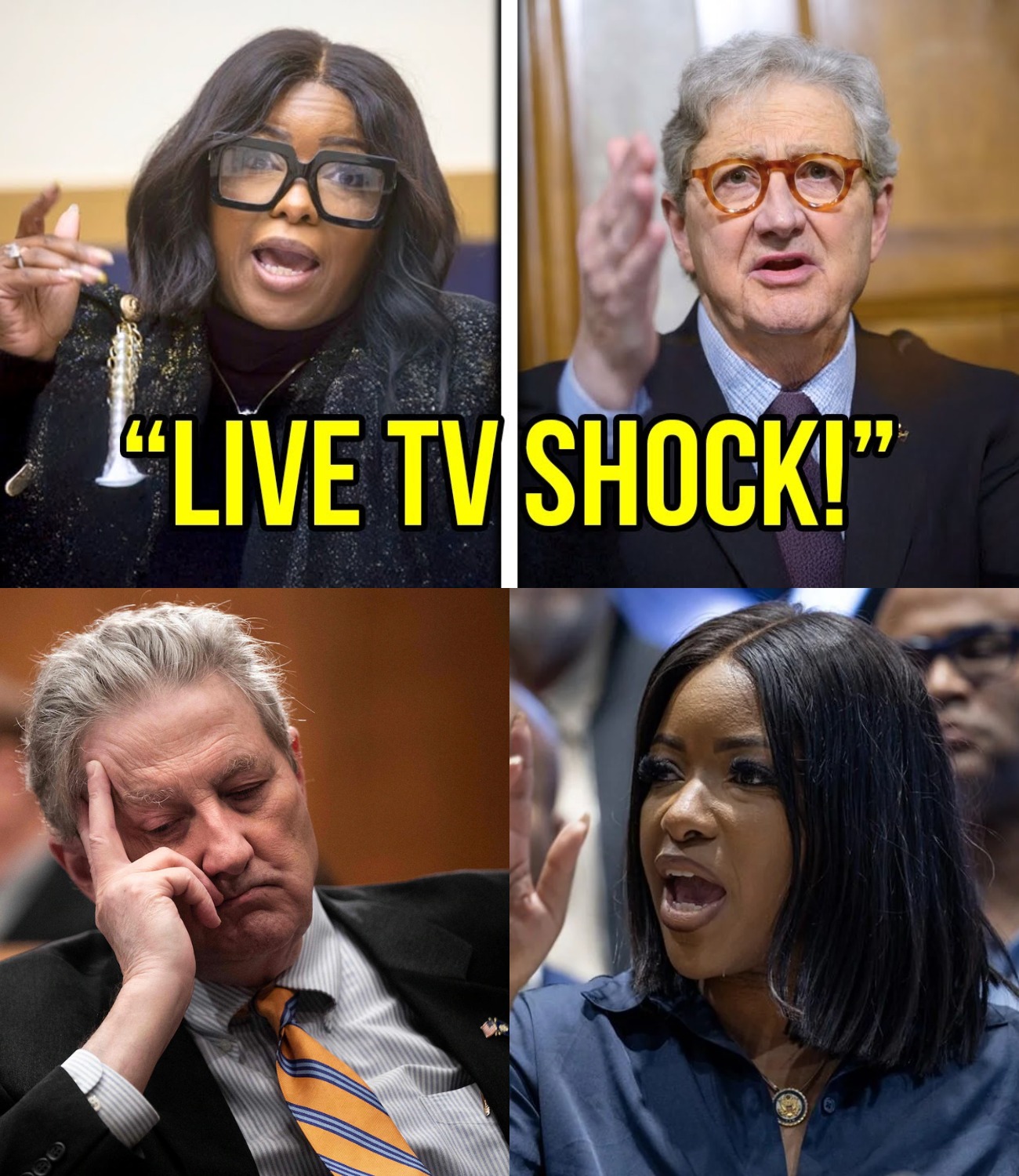
What played out on live television was not just another heated political exchange, but a sharp lesson in how momentum can be built, and then dismantled, in real time.
Jasmine Crockett entered the segment with clear intent.
From the first sentence, she went on the offensive, pressing her critique of Republicans with speed, confidence, and a sense that the floor belonged to her.
Her delivery was tight.
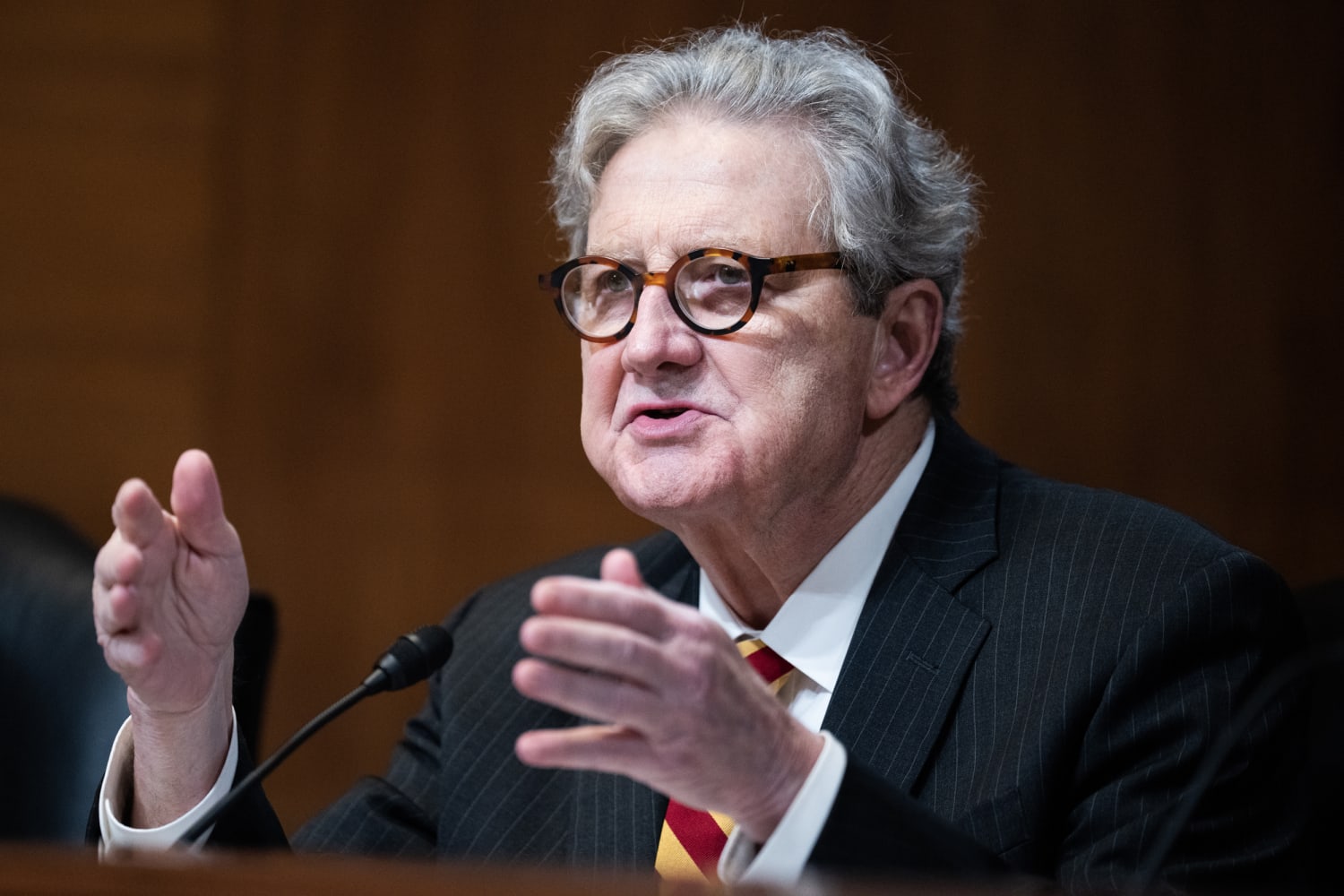
Her points were stacked deliberately, one after another, leaving little space for interruption.
The studio atmosphere tightened almost immediately.
Producers leaned forward.
Hosts stayed quiet.
The energy suggested that the segment was tilting decisively in one direction.
Crockett’s argument moved quickly, blending policy criticism with moral framing, a combination designed to dominate limited airtime.
For viewers, it felt familiar.
A fast paced takedown.
An opponent cornered.
A moment built for clips.
Senator John Kennedy, however, did something unexpected.
He did nothing.
He did not interrupt.
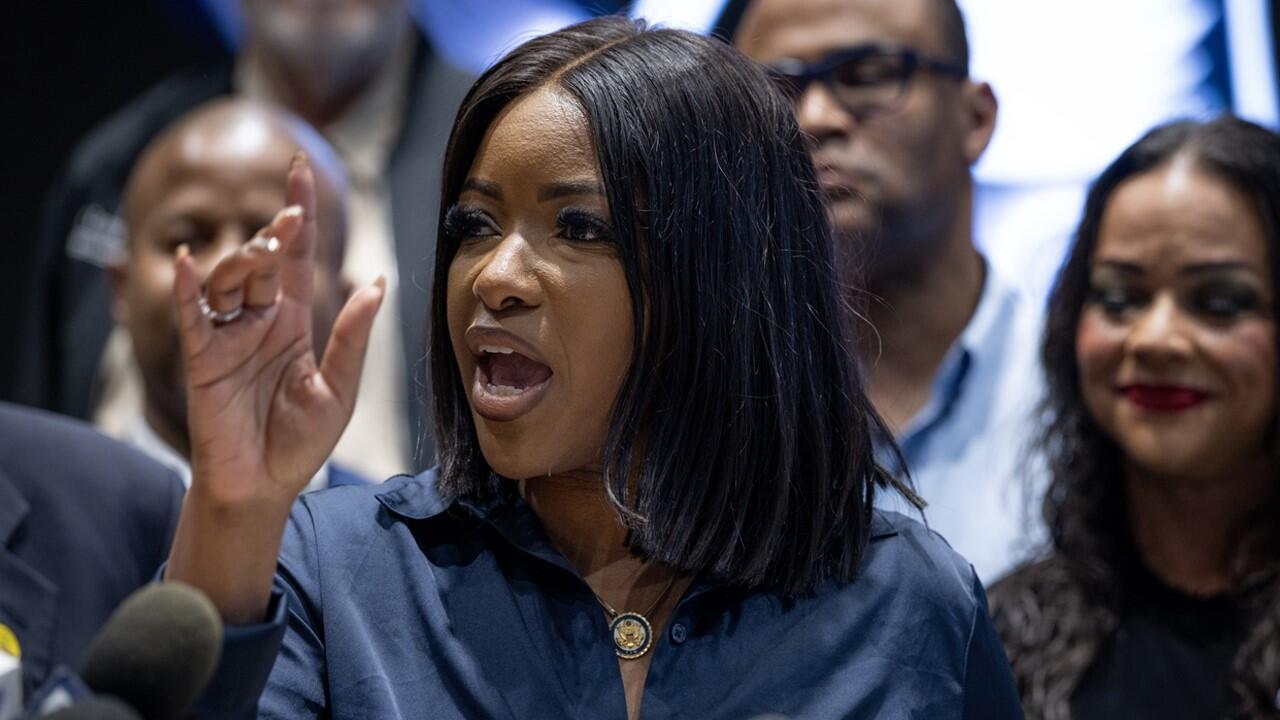
He did not signal disagreement.
He did not even shift in his seat.
He listened.
That choice would become the hinge on which the entire exchange turned.
As Crockett continued, the pressure increased.
Her tone sharpened.
Her confidence grew.
She appeared to sense that the momentum was hers, that the frame of the discussion had already been set.
Then she finished her point.
The pause that followed was brief, but noticeable.
And then Kennedy spoke.
He did not raise his voice.
He did not attempt to rebut every claim.

He did not accuse Crockett of exaggeration or bad faith.
Instead, he calmly selected one assumption underlying her argument and questioned it directly.
The response took just 37 seconds.
That was all it required.
The effect was immediate.
Crockett stopped speaking.
The studio went quiet.
Not with the awkwardness of confusion, but with the stillness that follows recalibration.
Viewers could see it happen in real time.
Her posture shifted.
Her cadence slowed.
The momentum that had felt unstoppable seconds earlier suddenly felt suspended.
Analysts later noted that Kennedy’s move worked because he refused to play the expected role.
Crockett’s attack was structured for resistance.
It anticipated pushback, counterargument, even confrontation.
Kennedy offered none of that.
By isolating a single premise and reframing it, he changed the terms of the exchange entirely.
Where Crockett had stacked points, Kennedy removed one support beam.
He did not need to dismantle the entire structure.
He let the audience see the wobble for themselves.
This is where timing mattered more than content.
Had Kennedy interrupted earlier, the moment might have dissolved into cross talk.
Had he waited too long, the narrative might have solidified against him.

Thirty seven seconds was enough to redirect without escalating.
Political strategists watching the exchange later described it as a textbook example of restraint as leverage.
Kennedy did not match intensity.
He matched focus.
That focus denied the attack its payoff.
Supporters of Crockett argued afterward that her broader points remained valid and that television rewards brevity over depth.
They noted that complex arguments are often flattened in live formats, making them vulnerable to oversimplified counters.
That criticism resonated with some viewers.
Others disagreed.
Supporters of Kennedy countered that clarity is not the enemy of complexity, and that if an argument hinges on a flawed premise, exposing that flaw is fair game.
They argued that Kennedy did not dismiss Crockett’s passion, but redirected the lens through which it was being viewed.
What both sides agreed on was the shift itself.
The tone of the segment changed instantly.
The urgency drained.
The conversation slowed.
The frame reset.
Clips of the exchange spread rapidly across social media, many edited to highlight the exact moment Kennedy began speaking.
Viewers replayed the interaction repeatedly, focusing as much on body language as on words.
Comment sections filled with debates not about policy, but about style, timing, and control.
Media commentators noted that moments like this resonate because they disrupt expectations.
Audiences are accustomed to political shouting matches.
When someone flips momentum quietly, it feels jarring, almost cinematic.
The exchange quickly became a reference point for discussions about debate dynamics.
Who really controls a conversation.
Is it the person who speaks the most, or the one who chooses when to speak.
Kennedy’s response suggested the latter.
He did not try to win every argument.
He claimed one decisive point.
That point became the pivot.
In the aftermath, coverage focused less on Crockett’s original attack and more on Kennedy’s response.
Why that angle.
Why that moment.
Why did it land so quickly.
The answers varied, but they all circled back to the same conclusion.
Momentum in live television is fragile.
It feels solid until it isn’t.
And when it breaks, it breaks fast.
Whether one agrees with Kennedy or Crockett politically, the exchange underscored a broader truth about modern political media.
Volume does not guarantee control.
Speed does not guarantee dominance.
Sometimes, the most disruptive move is to slow everything down.
Crockett’s attack set the stage with force and confidence.
Kennedy’s response changed the script with restraint and precision.
And the reason the moment continues to circulate is not because of who spoke first.
It is because of how quickly everything shifted once he spoke at all.